Heart Strong, Mind Calm: My Simple Fix for Better Days
Living with constant stress used to mess with my chest, my sleep, even my mood. I didn’t connect it to my heart—until I learned how deeply psychological balance affects cardiovascular health. It’s not just about pills or workouts. Small, daily shifts in mindset and routine made a real difference. No magic, no extremes—just practical steps that actually stick. If you’re tired, tense, or just want to feel more in control, this is for you. Over time, I discovered that protecting your heart isn’t only about cholesterol levels or blood pressure readings. It’s also about how you breathe, move, eat, and rest. And most importantly, it’s about how you respond to the pressures of everyday life. This journey isn’t about perfection—it’s about progress, one gentle choice at a time.
The Hidden Link Between Stress and Your Heart
Stress is more than just an emotional experience. It’s a full-body event, especially when it becomes chronic. Most people recognize the mental toll—feeling overwhelmed, irritable, or unable to focus. But fewer understand how deeply stress embeds itself in the physical body, particularly within the cardiovascular system. When the brain perceives a threat, real or imagined, it activates the sympathetic nervous system, triggering what’s commonly known as the fight-or-flight response. This ancient survival mechanism floods the body with adrenaline and cortisol, hormones that prepare you to either confront danger or escape it. Your heart rate increases, blood pressure rises, and blood flow is redirected to essential muscles. In short bursts, this response is helpful. But when stress is constant—like the kind that comes from long work hours, financial worries, or family responsibilities—this system stays switched on, wearing down the heart over time.
Chronic stress keeps the cardiovascular system in a near-constant state of alert. Blood vessels remain constricted, the heart pumps harder, and inflammation increases. Over years, this contributes to the development of hypertension, atherosclerosis, and even increases the risk of heart attack or stroke. Studies have shown that individuals with high levels of perceived stress are more likely to develop heart disease, independent of other risk factors like smoking or poor diet. The body simply wasn’t designed to operate in emergency mode all the time. Yet for many, especially women juggling caregiving, household management, and work, this has become the norm. The emotional labor of managing others’ needs often comes at the cost of their own well-being, with physical symptoms like chest tightness, fatigue, or palpitations dismissed as “just part of life.”
Real-life scenarios illustrate how invisible this strain can be. Imagine the morning rush: getting children ready for school, preparing meals, rushing to work, all while answering emails and managing last-minute requests. Each small demand adds to the mental load, elevating stress hormones without the person even realizing it. Or consider the woman sitting at her desk, facing an impossible deadline, her jaw clenched, shoulders tense, heart pounding—not from physical exertion, but from sustained mental pressure. These moments may seem minor, but their cumulative effect on the heart is significant. The heart doesn’t distinguish between a physical threat and an emotional one; it responds the same way to both.
Ignoring the mental load doesn’t make it disappear. In fact, unmanaged psychological stress can be just as damaging as traditional risk factors. Research from the American Heart Association emphasizes that mental health is a critical component of cardiovascular wellness. Yet, it’s often overlooked in both medical discussions and personal habits. Many women prioritize everyone else’s health before their own, postponing doctor visits, skipping meals, or sacrificing sleep. Over time, this neglect takes a toll. The key insight is this: protecting your heart isn’t just about what you eat or how much you exercise. It’s also about how you manage your mind. Recognizing the connection between emotional strain and physical health is the first step toward meaningful change.
Why "Just Relax" Doesn’t Work (And What To Do Instead)
Advice like “just relax” or “don’t worry so much” is common, but rarely helpful. For someone already feeling overwhelmed, these words can add guilt to the burden. They imply that stress is a personal failing, something you should be able to control with willpower alone. But stress isn’t a switch you can simply turn off. It’s a complex physiological and psychological response shaped by habits, environment, and daily routines. Telling someone to relax without offering practical tools is like asking them to stop bleeding without providing a bandage. What’s needed isn’t vague reassurance, but actionable strategies that work with the body’s natural rhythms.
The solution lies in the concept of active calm—intentional, small habits that gently guide the nervous system out of survival mode and into a state of balance. Unlike passive relaxation, which depends on finding free time or escaping responsibilities, active calm can be woven into existing routines. It’s not about adding more to your day, but about shifting how you move through it. For example, taking three deep breaths before answering a phone call, pausing to stretch after folding laundry, or sipping tea mindfully instead of rushing through it. These micro-moments signal safety to the brain, helping to lower cortisol levels and restore equilibrium.
Predictability and rhythm play a crucial role in reducing anxiety. When daily life feels chaotic, the brain remains on high alert, scanning for threats. But when certain parts of the day follow a consistent pattern—like waking up at the same time, having a simple morning ritual, or winding down with a nightly routine—the nervous system learns to expect safety. This doesn’t require rigid scheduling. Even small anchors, like drinking water first thing in the morning or lighting a candle before dinner, create a sense of stability. Over time, these cues train the body to transition more easily from stress to calm.
A real-life example illustrates this shift. A woman in her early 40s, managing a full-time job and two young children, struggled with constant fatigue and a racing heart. She tried meditation apps but found them hard to stick with. Instead, she began a simple 5-minute breathing ritual each morning: sitting quietly, closing her eyes, and focusing on slow inhales and exhales. Within two weeks, she noticed her resting heart rate had dropped from 88 to 76 beats per minute. She didn’t feel completely stress-free, but she felt more grounded. The change wasn’t dramatic, but it was real. This is the power of active calm—small, consistent actions that yield measurable results over time.
Breathing Like You Mean It: The Overlooked Power of the Pause
Among all the tools for heart and mind wellness, breathing is perhaps the most accessible—and most underused. Unlike supplements, equipment, or expensive therapies, breath is always available. And when practiced with intention, it has a direct effect on the autonomic nervous system. Specifically, slow, deep breathing stimulates the vagus nerve, a key component of the parasympathetic system responsible for “rest and digest” functions. When the vagus nerve is activated, heart rate slows, blood pressure decreases, and the body shifts out of fight-or-flight mode. This isn’t just theory; it’s physiology. Controlled breathing is one of the few ways we can consciously influence our involuntary bodily processes.
One effective method is the 4-6-8 technique: inhale through the nose for 4 seconds, hold the breath for 6 seconds, then exhale slowly through the mouth for 8 seconds. The extended exhale is particularly important—it triggers a stronger vagal response than inhalation. This timing isn’t arbitrary; research shows that longer exhalations enhance heart rate variability (HRV), a marker of cardiovascular resilience. Higher HRV is associated with better stress tolerance, emotional regulation, and overall heart health. By practicing this rhythm, you’re not just calming your mind—you’re training your heart to be more adaptable.
Timing matters, but so does consistency. You don’t need to practice this technique for hours. Even two or three cycles, done several times a day, can make a difference. The best times to practice include moments of transition: before getting out of bed, after arriving at work, during a break, or before meals. These pauses act as resets, interrupting the stress cycle before it escalates. For example, someone stuck in traffic might feel frustration building. Instead of reacting, they can use that time to focus on their breath, turning a stressful delay into a moment of calm. The key is to integrate the practice into existing routines, not to treat it as an extra task.
Common mistakes can reduce effectiveness. Some people try to force their breath too deeply, causing tension in the chest or dizziness. Others give up too quickly, expecting immediate results. The goal isn’t perfection, but gentle repetition. If 4-6-8 feels too long at first, start with 4-4-6 and gradually extend the exhale. The practice should feel soothing, not strenuous. Over time, the body learns to associate this breathing pattern with safety, making it easier to access during moments of stress. This is how small habits create lasting change—not through intensity, but through repetition.
Move Without the Mission: Gentle Motion for Mental and Heart Health
Physical activity is widely recommended for heart health, but the emphasis is often on intensity—running, weightlifting, high-intensity interval training. While these forms of exercise have benefits, they aren’t the only—or even the best—way to support cardiovascular wellness, especially for those already dealing with stress or fatigue. For many women, the idea of a rigorous workout can feel overwhelming, even discouraging. The truth is, gentle movement is just as powerful, particularly when it comes to reducing stress and improving circulation. Activities like walking, stretching, gardening, or light housework engage the body without overtaxing it, making them sustainable over the long term.
The science behind light activity is compelling. Studies show that low-intensity movement helps lower levels of cortisol and adrenaline, reduces systemic inflammation, and improves blood flow. Unlike intense exercise, which can temporarily increase stress hormones, gentle motion supports the parasympathetic nervous system, promoting recovery and balance. For example, a 20-minute walk after dinner not only aids digestion but also helps regulate blood sugar and calm the mind. Similarly, stretching routines—especially those that include deep breathing—can release muscle tension and improve heart rate variability. These benefits add up over time, contributing to both mental clarity and cardiovascular resilience.
Matching movement to mood is essential. On days when energy is low, a brisk walk may feel impossible. But standing up to stretch, pacing while on the phone, or doing a few gentle yoga poses can still make a difference. The goal isn’t to burn calories, but to reconnect with the body and break the cycle of sedentary stress. When you’re restless, movement can help release nervous energy. When you’re drained, it can gently wake up the system. The key is flexibility—listening to your body and choosing what feels supportive, not punishing.
Building micro-habits makes this approach sustainable. Instead of aiming for 30 minutes of exercise all at once, try three 10-minute walks throughout the day. Stand up and stretch every hour, especially if you spend long periods sitting. Turn household chores into mindful movement—notice the rhythm of sweeping, the stretch of reaching for high shelves, the strength in lifting laundry. These small actions accumulate, improving circulation, reducing stiffness, and enhancing mood. Over time, this mindset shift—from seeing movement as a chore to viewing it as self-care—can transform your relationship with your body and your heart.
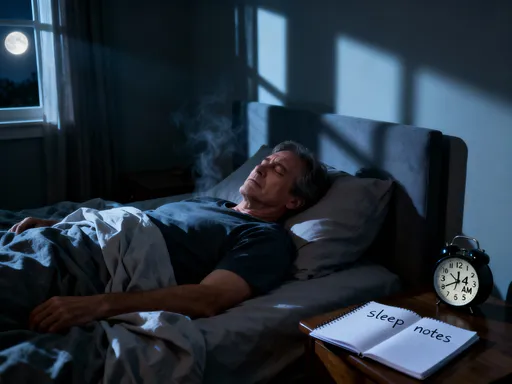
Sleep’s Silent Role in Heart and Mind Recovery
Sleep is one of the most powerful yet underrated tools for heart and mental health. During deep sleep, the body repairs tissues, regulates hormones, and clears metabolic waste from the brain. The heart, in particular, gets a chance to rest. Blood pressure drops, heart rate slows, and stress hormones decline. This nightly recovery period is essential for maintaining cardiovascular resilience. But when sleep is disrupted—by stress, screen exposure, or irregular schedules—this restoration doesn’t happen fully. The result is a body that remains in a state of low-grade stress, even during rest.
The relationship between sleep and stress is bidirectional: stress ruins sleep, and poor sleep worsens stress. A woman lying awake at 2 a.m., replaying the day’s worries, is caught in this cycle. Her elevated cortisol levels make it harder to fall asleep, and the lack of sleep the next day makes her more reactive to stressors, perpetuating the loop. Over time, chronic sleep deprivation increases the risk of hypertension, insulin resistance, and inflammation—all of which contribute to heart disease. Research from the National Sleep Foundation shows that adults who consistently sleep less than six hours per night have a significantly higher risk of cardiovascular events.
Improving sleep doesn’t require drastic changes. Simple sleep hygiene practices can make a meaningful difference. Cooling the bedroom to around 65°F (18°C) supports the natural drop in body temperature needed for sleep. Limiting screen time at least an hour before bed reduces exposure to blue light, which suppresses melatonin production. Establishing a wind-down ritual—such as reading a book, sipping herbal tea, or doing light stretching—signals to the brain that it’s time to relax. These habits don’t need to be elaborate; consistency is what matters most.
It’s also important to shift the focus from perfection to consistency. Many people stress about getting exactly eight hours of sleep, but the timing and regularity of sleep are often more important. Going to bed and waking up at roughly the same time each day—even on weekends—helps regulate the body’s internal clock, improving sleep quality over time. If you can’t fall asleep right away, that’s okay. The goal is to create a calm environment and a relaxed mindset, not to force sleep. Over time, these small adjustments support both heart health and emotional balance, allowing the body to recover and recharge.
Food, Mood, and the Heart Connection
Diet plays a dual role in health: it fuels the body and influences the brain. The foods you eat directly affect both blood vessel function and neurotransmitter production. A diet high in processed sugars, refined carbohydrates, and unhealthy fats can increase inflammation, raise blood pressure, and destabilize mood. On the other hand, whole, nutrient-dense foods support both cardiovascular health and emotional well-being. The key isn’t strict dieting, but making sustainable, thoughtful choices that honor both body and mind.
Real foods that help include leafy greens like spinach and kale, which are rich in nitrates that support healthy blood flow. Nuts, especially walnuts and almonds, provide heart-healthy fats and vitamin E. Berries—blueberries, strawberries, raspberries—are packed with antioxidants that reduce oxidative stress in the arteries. Omega-3 fatty acids, found in fatty fish like salmon and in flaxseeds, help lower triglycerides and support brain function. These foods don’t need to be exotic or expensive; they can be incorporated into everyday meals with simple swaps.
One of the biggest challenges during stressful times is emotional eating. When overwhelmed, many women turn to sugary or comfort foods for temporary relief. While this may provide short-term satisfaction, it often leads to energy crashes, guilt, and long-term health consequences. The cycle can be interrupted by increasing awareness. Before reaching for a snack, pause and ask: Am I truly hungry, or am I responding to stress? If it’s the latter, try a non-food alternative—like a short walk, a few deep breaths, or a glass of water. Over time, this practice builds emotional resilience and reduces reliance on food for comfort.
Simple swaps make a big difference without feeling restrictive. Replace sugary breakfast cereals with oatmeal topped with fruit and nuts. Choose whole-grain bread instead of white. Snack on raw vegetables with hummus instead of chips. These changes don’t require giving up favorite foods entirely—they’re about balance and consistency. The goal isn’t perfection, but progress. When your diet supports both heart and brain health, you’re more likely to feel steady, focused, and in control.
Building Your Daily Reset: A Sustainable Routine
The most effective wellness strategies are those that can be maintained over time. Instead of chasing quick fixes or extreme regimens, the goal should be to build a daily reset—a personalized, flexible routine that combines breath, movement, sleep, food, and mindset. This isn’t about doing everything perfectly, but about creating a rhythm that supports both heart and mind. Start by identifying one small habit—an “anchor habit”—that feels manageable. It could be the 4-6-8 breathing technique each morning, a 10-minute walk after dinner, or a nightly tea ritual. Once that habit becomes automatic, add another. The power lies in compounding small changes.
Tracking progress doesn’t require apps or numbers. Instead, notice how you feel. Are you more energetic in the afternoon? Do you fall asleep more easily? Are you less reactive during stressful moments? These subtle shifts are signs of improvement. Over time, you may also notice physical changes—lower resting heart rate, better digestion, improved skin. But the most meaningful indicators are internal: a sense of calm, greater focus, and a feeling of being more present in your life.
Remember, this isn’t a short-term fix. It’s a lifestyle shift—one that protects your heart and nurtures your mind. You don’t need to transform overnight. Begin with one breath, one step, one mindful meal. Let each small choice build on the last. Over weeks and months, these habits create a foundation of resilience. You’ll still face stress, but you’ll be better equipped to handle it. Your heart will beat with more strength, and your mind will find more moments of peace.
A Life That Beats With Calm
The journey to better heart and mental health isn’t about drastic measures or heroic efforts. It’s about small, consistent choices that honor your body and mind. Psychological balance and cardiovascular wellness are deeply connected, and nurturing one supports the other. By understanding the impact of stress, practicing active calm, moving gently, sleeping well, and eating mindfully, you create a life that supports long-term health. These steps don’t replace medical care—they enhance it. Always consult with a healthcare professional to address specific conditions. But within your daily life, you hold the power to make meaningful changes. Start small. Stay consistent. And envision a future where your heart feels strong, your mind feels quiet, and your days feel more peaceful. That life is possible—one breath, one step, one choice at a time.