Time Flies, But Your Energy Doesn’t Have To
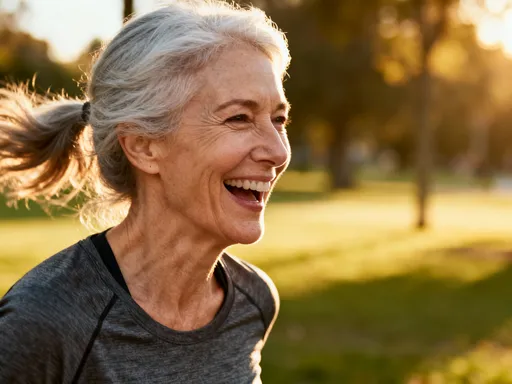
Aging is inevitable, but feeling old? That’s optional. I used to wake up stiff, tired, and mentally foggy—until I shifted how I managed my daily habits. It’s not about reversing time; it’s about working *with* your body smarter. Small, science-backed changes in how you eat, move, and rest can seriously slow down the wear and tear. This is real-life health management: simple, sustainable, and shockingly effective when done consistently. The good news? You don’t need a miracle to feel vibrant in your 40s, 50s, or beyond. You just need the right tools, knowledge, and mindset to support your body’s natural ability to renew, repair, and thrive.
The Hidden Cost of "Normal" Aging (And Why It’s Not Inevitable)
Many women in their 30s to 50s begin to notice changes: a stiffness in the knees when standing up, a slower recovery after a busy day, or a mind that doesn’t snap back as quickly as it used to. These shifts are often dismissed as “just part of getting older.” But what if they aren’t? What if fatigue, joint discomfort, and brain fog aren’t signs of age—but signals of imbalance? Science now shows that chronological age (the number of years you’ve lived) and biological age (how old your cells act) can be dramatically different. Two women can both be 50, yet one may have the cellular profile of a 45-year-old, while the other’s body behaves like that of a 60-year-old. The difference lies in lifestyle.
At the core of this divergence are three measurable factors: telomeres, oxidative stress, and chronic inflammation. Telomeres are the protective caps at the ends of your chromosomes, like the plastic tips on shoelaces. Every time a cell divides, these caps shorten. When they get too short, the cell can no longer divide and becomes senescent—essentially, it’s alive but not functioning. Shortened telomeres are linked to accelerated aging and higher risks for age-related conditions. However, studies have shown that lifestyle choices such as regular physical activity, stress management, and a nutrient-rich diet can help preserve telomere length.
Oxidative stress is another silent driver of aging. It occurs when there’s an imbalance between free radicals—unstable molecules produced by normal metabolism and environmental exposures—and the body’s ability to neutralize them with antioxidants. Over time, unchecked oxidative stress damages cells, proteins, and DNA. Meanwhile, chronic low-grade inflammation, often called “inflammaging,” is increasingly recognized as a root cause of many age-related declines. It’s not the kind of inflammation you feel, like a swollen ankle, but a quiet, systemic kind that wears down tissues over decades.
The encouraging truth is that none of these processes are fixed. They respond powerfully to daily habits. Poor sleep, constant stress, processed foods, and inactivity accelerate them. But the reverse is also true. By making intentional choices, you can slow cellular aging and maintain vitality far longer than societal norms suggest. The first step is recognizing that feeling tired, stiff, or mentally slow is not a life sentence—it’s a call to action.
Fuel Your Cells Right: What to Eat (and Skip) for Longevity
Food is more than fuel—it’s information. Every bite you eat sends signals to your cells about how to function. A diet rich in whole, unprocessed foods supports cellular repair, energy production, and hormonal balance. On the other hand, processed foods high in refined sugars and unhealthy fats send signals of stress and inflammation. The goal isn’t perfection or extreme restriction, but consistent, intelligent choices that nourish your body from the inside out.
One of the most powerful tools for longevity is the Mediterranean-style diet, backed by decades of research. It emphasizes vegetables, fruits, legumes, whole grains, nuts, seeds, olive oil, and moderate amounts of fish and poultry. This pattern is rich in antioxidants—compounds that neutralize free radicals and protect cells. Berries, for example, are packed with polyphenols, which have been shown to support brain health and reduce oxidative damage. Leafy greens like spinach and kale provide magnesium and folate, essential for energy metabolism and DNA repair. Fatty fish such as salmon and sardines offer omega-3 fatty acids, which help reduce inflammation and support heart and brain function.
Protein is another cornerstone of healthy aging. As we age, we naturally lose muscle mass—a process called sarcopenia. Eating enough high-quality protein throughout the day helps slow this loss and supports strength, balance, and metabolic health. Good sources include eggs, Greek yogurt, lentils, tofu, chicken, and fish. Aim for about 20–30 grams of protein per meal, especially at breakfast, to kickstart muscle synthesis early in the day.
Equally important is what to limit. Refined carbohydrates—like white bread, pastries, and sugary cereals—cause rapid spikes in blood sugar and insulin, which over time contribute to insulin resistance, weight gain, and inflammation. Added sugars, especially in beverages like soda and sweetened teas, are particularly harmful. Studies link high sugar intake to accelerated skin aging, fatty liver, and increased risk for metabolic syndrome. Instead of eliminating treats entirely, focus on swaps: choose an apple with almond butter over a muffin, or dark chocolate (70% cocoa or higher) instead of milk chocolate.
Hydration also plays a key role in cellular function. Water is essential for nutrient transport, digestion, and detoxification. Even mild dehydration can lead to fatigue, headaches, and poor concentration. Aim for at least 6–8 glasses of water daily, more if you’re active or live in a hot climate. Herbal teas, broths, and water-rich foods like cucumbers and oranges also contribute to your fluid intake.
The key is sustainability. You don’t need to follow a rigid meal plan. Start with one change: add a serving of vegetables to lunch, swap sugary snacks for nuts and fruit, or drink a glass of water before coffee. Small shifts, repeated daily, create lasting results.
Move It or Lose It: The Anti-Aging Power of Smart Movement
Physical activity is one of the most potent anti-aging interventions available—and it’s free. Yet, many women reduce their activity levels as they age, often due to busy schedules, joint discomfort, or the misconception that exercise is only for weight loss. The truth is, movement is a cellular tune-up. It improves circulation, boosts mitochondrial function (the energy factories in your cells), enhances mood, and preserves mobility. The goal isn’t to train for a marathon, but to stay strong, flexible, and resilient for life.
A balanced routine includes three types of movement: strength training, cardiovascular exercise, and flexibility work. Strength training is especially crucial. After age 30, adults lose 3–5% of muscle mass per decade, and the rate accelerates after 50. This loss affects metabolism, balance, and independence. Resistance exercises—whether using weights, resistance bands, or body weight—help maintain and even rebuild muscle. Aim for two to three sessions per week, targeting major muscle groups: legs, back, chest, arms, and core. Simple exercises like squats, lunges, push-ups (modified if needed), and planks can be done at home with minimal equipment.
Cardiovascular exercise supports heart health, lung capacity, and brain function. It increases blood flow, delivering oxygen and nutrients to tissues while removing waste products. Moderate-intensity activities like brisk walking, cycling, swimming, or dancing for 150 minutes per week are recommended. The key is consistency, not intensity. A 30-minute walk five days a week is more beneficial than an hour-long intense workout once a week followed by soreness and inactivity.
Flexibility and balance are often overlooked but are essential for maintaining independence and preventing falls. Stretching daily—especially after workouts or during long periods of sitting—helps preserve range of motion and reduces stiffness. Practices like yoga and tai chi combine stretching with mindful movement and breath control, improving not only flexibility but also mental calm and body awareness. Even five to ten minutes a day can make a difference.
The best exercise is the one you enjoy and can stick with. If gyms feel intimidating, try walking with a friend, following a home workout video, or dancing to your favorite music while cooking dinner. The goal is to move your body regularly, not perfectly. Over time, you’ll notice benefits beyond appearance: more energy, better sleep, improved mood, and a greater sense of control over your health.
Sleep: Your Body’s Nightly Reset Button
Sleep is not downtime—it’s active restoration. During deep sleep, your body repairs tissues, balances hormones, consolidates memories, and clears metabolic waste from the brain. Poor sleep doesn’t just leave you tired; it accelerates biological aging. Research shows that chronic sleep deprivation is linked to shorter telomeres, increased inflammation, and higher risks for heart disease, diabetes, and cognitive decline. For women navigating hormonal changes in perimenopause and menopause, sleep disturbances are common, but they are not something to simply accept.
The quality of sleep matters as much as the quantity. Ideally, adults should get 7–9 hours of uninterrupted, restorative sleep each night. But many factors can disrupt this cycle. Exposure to blue light from screens—phones, tablets, TVs—suppresses melatonin, the hormone that signals it’s time to sleep. Eating heavy meals or drinking alcohol close to bedtime can interfere with sleep architecture, reducing time in deep and REM sleep. Stress and anxiety keep the mind active, making it hard to wind down.
Creating a sleep-supportive routine can make a significant difference. Start by setting a “screen curfew” at least one hour before bed. Instead of scrolling, try reading a book, listening to calming music, or practicing gentle stretching. Keep your bedroom cool, dark, and quiet. Consider using blackout curtains, a white noise machine, or an eye mask if needed. If nighttime awakenings are common, avoid checking the clock, as this can increase anxiety.
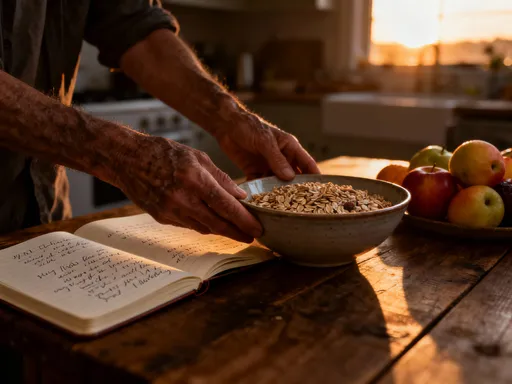
Diet also plays a role. Avoid caffeine after 2 p.m., as it can stay in your system for hours. Limit alcohol, which may help you fall asleep but disrupts sleep later in the night. A light snack with complex carbs and protein—like a banana with peanut butter or a small bowl of oatmeal—can support stable blood sugar and prevent nighttime wakefulness.
For women experiencing hot flashes or night sweats, breathable bedding, a fan, and staying hydrated can help. Some find relief through mindfulness practices or speaking with a healthcare provider about safe, evidence-based options. Remember, good sleep isn’t a luxury—it’s a foundation of long-term health. Prioritizing it is one of the most powerful things you can do for your energy, mood, and cellular longevity.
Stress Less, Live Longer: Taming the Silent Accelerator
Stress is a fact of life. Responsibilities at home, work, and in relationships can pile up, especially for women who often carry the mental load of family management. But while acute stress can be motivating, chronic stress is a silent accelerant of aging. When stress becomes constant, the body remains in “fight or flight” mode, flooding the system with cortisol and adrenaline. Over time, this leads to wear and tear on the body—what researchers call allostatic load.
High cortisol levels are linked to fat storage, especially around the abdomen, reduced immune function, disrupted sleep, and impaired cognitive performance. Chronic stress also contributes to inflammation and can shorten telomeres. The effects show up in everyday life: irritability, digestive issues, difficulty concentrating, and a sense of being overwhelmed. The good news is that you don’t need to eliminate stress to protect your health—you need to build resilience.
Simple, research-backed tools can help regulate your stress response. Mindful breathing, for example, activates the parasympathetic nervous system, which calms the body. Try the 4-7-8 technique: inhale for 4 seconds, hold for 7, exhale slowly for 8. Doing this for just a few minutes can shift your physiology from stress to calm. Journaling is another effective practice. Writing down your thoughts helps process emotions and reduces mental clutter. Even five minutes a day can bring clarity and relief.
Spend time in nature whenever possible. Studies show that just 20 minutes in a park or green space can lower cortisol levels and improve mood. Even looking at pictures of nature or tending to houseplants can have a soothing effect. Setting boundaries is also crucial. Learn to say no to commitments that drain your energy. Protect your time for rest, movement, and activities that bring joy.
Remember, managing stress isn’t about achieving constant calm—it’s about creating balance. Small daily practices build a buffer against life’s inevitable pressures, helping you stay centered, energized, and biologically younger.
Hydration, Sun, and Toxins: The Daily Details That Add Up
Longevity isn’t just about big decisions—it’s also shaped by the small, consistent choices you make every day. Hydration, sun exposure, and reducing toxin exposure are three often-overlooked areas that have a cumulative impact on how you age. These habits don’t require drastic changes, but they do require awareness and intention.
Water is essential for every bodily function. It supports digestion, circulation, temperature regulation, and cognitive performance. Even mild dehydration—just 1–2% loss of body water—can impair concentration, mood, and physical endurance. As we age, the sensation of thirst diminishes, making it easier to become dehydrated without realizing it. Make it a habit to drink water throughout the day. Start with a glass upon waking, keep a reusable bottle nearby, and include water-rich foods like watermelon, celery, and soups in your meals.
Sunlight is a double-edged sword. On one hand, it’s the best natural source of vitamin D, a nutrient critical for immune function, bone health, and mood regulation. On the other, excessive UV exposure accelerates skin aging and increases the risk of skin damage. The goal is smart sun exposure: aim for 10–15 minutes of direct sunlight on arms and legs a few times a week, without sunscreen, to support vitamin D synthesis. Beyond that, protect your skin with broad-spectrum sunscreen, hats, and clothing. Avoid peak sun hours (10 a.m. to 4 p.m.) when possible.
Environmental toxins are another silent factor. While we can’t control everything, we can reduce exposure in key areas. Choose natural cleaning products or make your own with vinegar, baking soda, and essential oils. Use a water filter to reduce contaminants like chlorine, lead, and microplastics. Opt for glass or stainless steel containers over plastic, especially when heating food. These small upgrades add up over time, reducing the burden on your liver and detoxification pathways.
Think of these habits as daily investments in your long-term vitality. They may seem minor, but their effects compound, helping you feel clearer, stronger, and more resilient.
Making It Stick: How to Build an Anti-Aging Lifestyle Without Burnout
The biggest obstacle to lasting change isn’t knowledge—it’s consistency. Many women start strong with new health goals but lose momentum when life gets busy. The secret to sustainability isn’t willpower; it’s strategy. Lasting transformation comes from small, manageable steps that fit into your real life, not extreme overhauls that lead to burnout.
One effective method is habit stacking—linking a new behavior to an existing one. For example, if you already drink coffee every morning, use that moment to also take a few deep breaths or stretch for two minutes. If you brush your teeth at night, follow it with a gratitude journal entry. These tiny actions build momentum and make new habits feel automatic over time.
Focus on progress, not perfection. Track your efforts gently—perhaps with a simple checklist or notes in a journal—not to judge yourself, but to recognize what’s working. Celebrate small wins: choosing a salad over fast food, taking a walk after dinner, or getting to bed 30 minutes earlier. These moments matter.
Most importantly, tune into how you feel. Energy levels, mood, sleep quality, and mental clarity are more meaningful indicators of health than the number on a scale. When you eat well, move regularly, sleep deeply, and manage stress, you’ll notice a shift: more stamina, better focus, and a greater sense of well-being. That positive feedback loop becomes its own motivation.
Remember, health is not one-size-fits-all. What works for a friend may not work for you—and that’s okay. The goal is not to follow a rigid plan, but to create a lifestyle that supports your unique needs and values. Start with one area—maybe sleep, or hydration, or daily walking—and master it before adding another. Over time, these choices weave together into a life of sustained energy, strength, and vitality.
Aging is inevitable, but how you age is not. By making informed, consistent choices, you can maintain your energy, clarity, and joy for decades to come. This isn’t about chasing youth—it’s about honoring your body, respecting your journey, and living fully at every stage.