Hidden Trails, Timeless Walls: Hiking Through Trinidad’s Living History
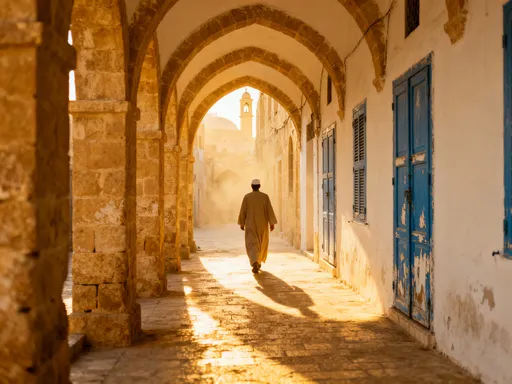
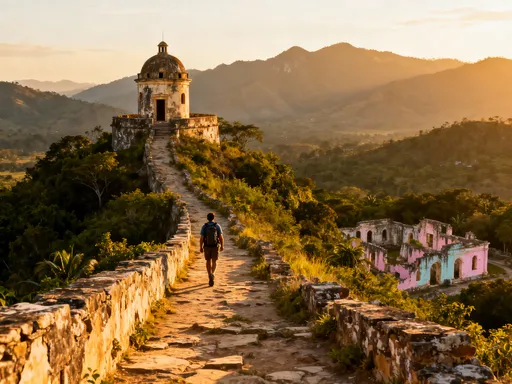
You know what? Hiking in Trinidad, Cuba isn’t just about the climb—it’s like walking through a living museum. I’m talking cobblestone paths, colonial balconies leaning like they’ve got secrets to share, and colors so vivid they stop your scroll. This is insane: every trail outside town leads back to breathtaking architecture frozen in time. I never expected history to feel this alive under my boots. If you're craving beauty with brains, this is it. Here, the past isn’t tucked behind glass—it’s embedded in the streets, the hills, the very air. Walking these paths means not just seeing history, but feeling it with every step, every breeze through an old iron grille, every shadow cast by a sugar mill tower rising from the cane fields. Trinidad offers a rare harmony: where nature’s endurance meets human craftsmanship across centuries.
Why Hiking in Trinidad Offers a Unique Lens on Architecture
Trinidad, nestled on Cuba’s southern coast, occupies a singular geographic and historical crossroads. Its urban design was shaped by both the Escambray Mountains to the north and the Caribbean Sea to the south, creating a town built for trade, defense, and survival in a tropical climate. This location made Trinidad a hub during the sugar boom of the 18th and 19th centuries, and its prosperity is still visible in the grandeur of its colonial center. But to truly understand how the landscape influenced architecture, one must hike. Movement on foot allows travelers to witness the organic relationship between built environments and natural terrain in a way that driving or bus tours simply cannot replicate. When you walk, your senses engage more deeply—the texture of cobblestones underfoot, the shift in temperature as you move from sunlit plaza to shaded alley, the way buildings adapt to inclines and breezes.
Hiking from the town center into the surrounding countryside reveals how Trinidad’s architecture was never isolated from nature. The city’s layout follows the natural slope of the land, with streets descending toward the port, allowing for gravity-fed transport of sugar barrels in centuries past. The thick walls of colonial homes, built from local stone and lime mortar, were designed to insulate against heat, while high ceilings and interior courtyards promoted airflow. As you leave the urban core and step onto the trails of El Cubano National Park, you begin to see how these same principles extend into rural construction. Stone pathways wind through dense vegetation, connecting former plantations and mountain outposts, each structure responding to its specific microclimate and topography. This continuity—from city to countryside, from colonial mansion to rural hut—can only be fully appreciated through sustained physical movement.
Moreover, hiking fosters a slower, more intentional form of observation. When you’re not rushing from site to site, you notice details: the way a wrought-iron balcony casts lace-like shadows at midday, or how a crumbling wall still holds the imprint of hand-carved stonework. These subtle elements tell stories of craftsmanship, social hierarchy, and daily life that are often glossed over in conventional tours. The rhythm of walking allows time for reflection, making it easier to imagine the lives once lived within these walls. It’s not just about seeing architecture—it’s about experiencing its context, its purpose, and its endurance. In Trinidad, every trail is a narrative thread linking past and present, nature and culture, effort and reward.
The Colonial Heart: Trinidad’s Historic Center as a Starting Point
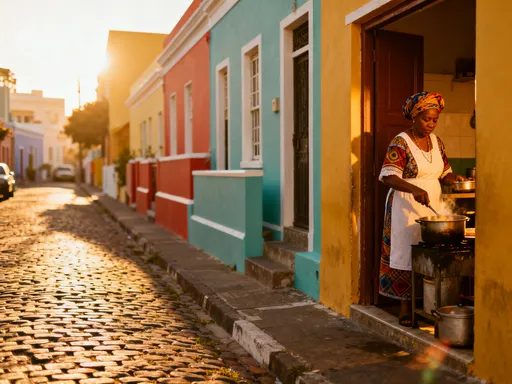
Before the trails rise into the hills, the journey begins in Trinidad’s UNESCO World Heritage-listed historic center—a remarkably intact example of Spanish colonial urban planning. Walking through the town is like stepping into a carefully preserved moment from the early 1800s, when sugar wealth transformed this coastal settlement into one of the Caribbean’s most opulent cities. The architecture here reflects that era of prosperity: grand mansions with pastel facades in peach, turquoise, and ochre line narrow streets paved with round river stones. Their wooden doors, often painted in deep blues or reds, open to interior courtyards where bougainvillea spills over tiled fountains and ceiling fans spin lazily overhead.
One of the most striking features of Trinidad’s colonial buildings is the extensive use of wrought-iron grilles, which adorn windows and balconies like delicate lace. These were not merely decorative; they served as both security and ventilation, allowing residents to cool their homes while maintaining privacy. The roofs are uniformly covered in red clay tiles, a design choice that not only withstands tropical rains but also contributes to the town’s cohesive visual identity. At the heart of it all is the Plaza Mayor, a sun-drenched square surrounded by historic buildings including the Iglesia Parroquial de la Santísima Trinidad and the Palacio Cantero, now a museum of colonial life. This central plaza functioned as the social and economic nucleus of the city, where merchants negotiated deals and families gathered in the evenings.
What makes Trinidad’s architecture particularly compelling is how it emerged directly from the sugar economy. The city’s elite—plantation owners and merchants—invested their fortunes into constructing elaborate homes that displayed both wealth and European tastes. Yet, these buildings were adapted to the Caribbean environment, incorporating thick masonry walls, high ceilings, and interior patios to combat the heat. As you walk from the plaza toward the edge of town, the architecture gradually shifts. The grand mansions give way to simpler homes, and then to the outskirts where rural pathways begin. This transition is not abrupt but gradual, mirroring the historical flow of people and goods between the urban center and the surrounding plantations. For the hiker, this means the town itself becomes the first leg of the journey—a warm-up that primes the senses for the deeper explorations to come.
Trail One: The Ascent to La Gran Piedra – Geology Meets Viewpoint Design
One of the most iconic hikes near Trinidad is the ascent to La Gran Piedra, a massive granite monolith rising from the Sierra de Escambray. The trail begins just outside the town of Manacas and leads upward through lush tropical forest, eventually reaching a 458-step stone staircase carved directly into the rock face. This staircase, built in the early 20th century, is itself a feat of vernacular engineering, blending seamlessly with the natural formation. Each step is worn smooth by decades of footsteps, and handrails made from local wood offer support to climbers. The path is lined with ferns, orchids, and the occasional coquí frog, whose soft calls echo through the morning mist.
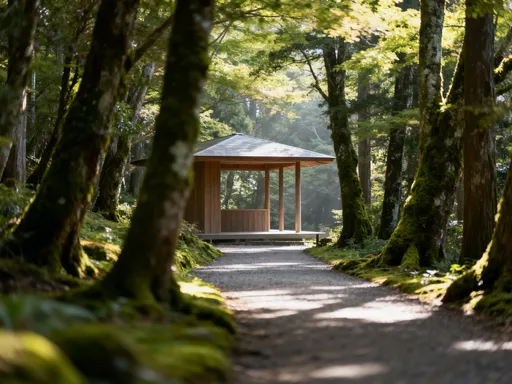
At the summit, a small stone shelter and observation platform provide panoramic views of the surrounding valleys, coffee plantations, and distant coastline. The structure is modest in design—four low walls with a corrugated metal roof—but its placement is masterful. It does not dominate the landscape; instead, it frames the vista, directing the eye toward the horizon without obstructing the natural beauty. From this vantage point, hikers can see how the land has been shaped by both geology and human activity. The terraced hillsides reveal generations of agricultural use, while the patchwork of forests and fields speaks to ongoing cycles of cultivation and regrowth.
What makes this site architecturally significant is not grandeur, but integration. The staircase and shelter were built using local materials and traditional techniques, respecting the scale and character of the natural environment. The stonework along the trail shows evidence of skilled craftsmanship—irregular blocks fitted together without mortar, yet standing firm against weather and time. This kind of construction reflects a deep understanding of the land, one that prioritizes harmony over domination. It’s a philosophy echoed in the colonial buildings of Trinidad itself, where architecture was designed to coexist with climate and terrain rather than conquer them.
For visitors, the climb to La Gran Piedra is more than a physical challenge—it’s a lesson in how human-made structures can enhance, rather than detract from, natural beauty. The journey upward mirrors the process of historical discovery: each step reveals a new layer, each turn offers a fresh perspective. By the time you reach the top, you’re not just rewarded with a view—you’re rewarded with understanding. The fusion of geology, design, and human effort at La Gran Piedra exemplifies the very essence of Trinidad’s architectural spirit: resilience, adaptation, and quiet elegance.
Trail Two: Hidden Pathways to Former Sugar Plantations
Another profound hiking experience near Trinidad involves following old pathways to the ruins of former sugar plantations, known locally as *ingenios*. Among the most accessible is the Manaca Iznaga estate, located about 12 kilometers southwest of the city. The hike to this site takes you through rolling countryside, past fields of sugarcane, and along dirt roads used for generations by farmers and laborers. Along the way, remnants of the plantation era emerge: crumbling stone walls, overgrown mill foundations, and the occasional cistern or storage building. These structures, though in ruins, speak volumes about the scale and complexity of Cuba’s sugar industry during the 18th and 19th centuries.
The centerpiece of the Manaca Iznaga site is its watchtower, a 47-meter brick structure built in 1816 by the plantation owner, Narciso Iznaga. Standing tall above the cane fields, the tower served multiple purposes: it was a symbol of power, a vantage point for overseeing enslaved workers, and a bell tower that regulated the daily rhythm of labor. Today, visitors can climb the internal staircase to the top, where a restored bell still rings out across the valley. The architecture of the tower is both imposing and elegant, with arched windows and a conical roof that reflects Spanish colonial design influences. Around it, the foundations of the sugar mill, slave quarters, and storage houses remain visible, offering a fragmented but powerful glimpse into the plantation’s former layout.
What makes this site particularly moving is how the landscape itself preserves history. The sugarcane still grows in the same fields where it was cultivated centuries ago, and the paths you walk were once trodden by enslaved Africans who built and maintained these structures. Interpretive signage along the trail provides historical context, explaining the technological processes of sugar production and the social hierarchy that defined plantation life. These signs, though modest, help visitors understand the human cost behind the architectural grandeur of Trinidad’s colonial center. The wealth that funded those pastel-colored mansions came directly from this land—and from the forced labor of thousands.
Hiking to these ruins allows for a more reflective and personal engagement with history than a guided bus tour could offer. There is time to pause, to touch the weathered bricks, to listen to the wind through the cane. The silence is heavy with memory. These sites are not pristine reconstructions; they are authentic remnants, slowly being reclaimed by nature. That authenticity is part of their power. They remind us that architecture is not just about beauty—it is also about power, economy, and memory. In Trinidad, the past is not hidden; it is embedded in the soil, the stones, and the very paths we walk.
Village Encounters: Rural Homes and Vernacular Building Styles
As hiking trails extend beyond the well-known landmarks, they often pass through small rural communities such as San Luis, Abreus, or El Cajao. These villages offer a living contrast to the preserved colonial center of Trinidad, showcasing vernacular architecture that continues to evolve in response to climate, economy, and culture. The homes here are typically modest in size but rich in character: wooden structures raised on concrete or stone stilts to protect against flooding and improve airflow, roofs covered in corrugated metal to withstand heavy rains, and brightly painted doors and shutters that add splashes of color to the green countryside.
One of the most distinctive features of rural Cuban homes is their use of local, readily available materials. Wood is often salvaged from old structures or milled from nearby forests, while metal roofing is repurposed or imported through limited supply chains. Windows may be simple openings with wooden louvers, allowing for maximum ventilation while providing shade. Many homes include outdoor kitchens or covered patios, spaces designed for cooking, socializing, and escaping the midday heat. These design choices are not aesthetic whims—they are practical responses to a hot, humid climate and limited resources. Yet, within these constraints, residents express individuality through color, ornamentation, and layout.
Walking through these villages offers a rare opportunity to see architecture as a living tradition. Unlike the static preservation of Trinidad’s historic center, these homes are actively maintained, modified, and rebuilt by their inhabitants. You might see a family adding a new room, repairing a roof, or painting a door in vibrant turquoise or sunflower yellow. These acts of daily care reflect a deep connection between people and their built environment. For the hiker, it’s a reminder that architecture is not just about the past—it is also about present-day resilience and creativity.
Of course, ethical engagement is essential. These are not tourist attractions but real communities where people live and work. Hikers should always respect private property, avoid intrusive photography, and seek permission before entering homes or gardens. A smile, a simple greeting in Spanish, or a quiet nod can go a long way in building goodwill. When interactions do occur, they often lead to meaningful exchanges—perhaps an invitation to share a glass of water, a conversation about local life, or a glimpse into a hand-built chicken coop or mango grove. These moments, fleeting though they may be, enrich the journey and deepen the understanding of Cuban rural culture.
Practical Tips for the Architecture-Focused Hiker
To make the most of your hiking experience in Trinidad, planning and preparation are key. The best times to hike for architectural photography and comfortable temperatures are early morning and late afternoon. During these hours, the sunlight is soft and golden, casting long shadows that highlight textures in stone, wood, and metal. Midday sun can be harsh, creating strong contrasts that wash out colors and make walking uncomfortable. Starting your hike at sunrise also means fewer crowds, allowing for more intimate encounters with the landscape and its structures.
Recommended gear includes lightweight, breathable clothing, a wide-brimmed hat, sunscreen, and sturdy hiking shoes with good grip—especially important for trails like La Gran Piedra, where steps can be slippery after rain. Bring plenty of water, as shade and rest stops may be limited. A camera or smartphone with extra battery life is essential for capturing architectural details, from intricate ironwork to weathered paint on rural doors. Consider using a small notebook to jot down observations or sketch interesting design elements; this practice enhances mindfulness and retention.
Navigation can be managed through a combination of local guides and self-guided tools. Hiring a local guide not only supports the community but also provides access to hidden pathways and historical insights that aren’t found on maps. However, if hiking independently, download offline maps or carry a printed trail guide. Marked trails are improving but not always consistent, so asking directions at small villages along the way is often helpful. Always inform someone of your route and expected return time, especially when venturing into more remote areas.
Responsible tourism practices are crucial. Stay on designated paths to protect vegetation and archaeological sites. Avoid touching or removing any structural elements, especially at ruins where preservation is fragile. Carry out all trash, and refrain from loud noises that might disturb residents or wildlife. Remember that many of the buildings you’ll see—whether colonial mansions or rural homes—are part of a living cultural landscape. Treat them with the same respect you would your own community’s heritage. By traveling thoughtfully, you contribute to the long-term sustainability of these irreplaceable sites.
Conclusion: Where Every Step Tells a Story
Hiking through Trinidad is more than a physical journey—it is a pilgrimage through layers of history, culture, and design. Unlike conventional city tours that rush from monument to monument, walking these trails allows for a deeper, more intimate engagement with architecture. You begin to notice how buildings respond to sun, wind, and terrain; how materials reflect local resources; how form follows function in ways both practical and poetic. The slow pace of hiking reveals details that might otherwise go unseen: the curve of a stone arch, the pattern of a tiled floor, the way light filters through a wooden lattice.
What emerges is a profound appreciation for continuity. The same hands that built colonial mansions also shaped rural homes and mountain trails. The same landscape that fueled a sugar empire now sustains farmers, families, and visitors seeking connection. Trinidad’s architecture is not frozen in time—it is part of an ongoing conversation between people and place. By hiking, you become part of that dialogue, adding your footsteps to a path worn by centuries of travelers, workers, and dreamers.
This is the power of slow travel: it transforms sightseeing into understanding. It invites you to move beyond the postcard-perfect facade and explore the substance beneath. In Trinidad, beauty is not just in the pastel walls or red-tiled roofs—it is in the way these structures endure, adapt, and inspire. True wonder lies where nature and human creation meet in harmony, where every stone has a story, and every trail leads not just to a destination, but to a deeper sense of place. So lace up your boots, step onto the path, and let history walk with you.