You Won’t Believe What This Tiny Town in East Timor is Hiding in Its Markets
Baucau, East Timor’s second-largest city, often slips beneath the radar of international travelers. Yet this quiet hillside gem, brushed by sea winds and steeped in tradition, offers something increasingly rare: authenticity. Far from the polished facades of mass tourism, Baucau thrives in its simplicity — in the rhythm of morning markets, the scent of roasting coffee, and the hands of artisans shaping food from the land and sea. Here, every bite tells a story of resilience, community, and deep-rooted connection to nature. I came seeking flavor — and found a culture preserved in every grain, drop, and leaf.
Discovering Baucau: More Than Just a Stopover
Situated about 70 kilometers east of Dili along the northern coast, Baucau unfolds across a series of rolling hills that rise gently from the Timor Sea. It is the country’s second city in size and significance, yet it carries none of the hurried energy often found in capital regions. Instead, Baucau moves at the pace of sunrise over the mountains — slow, deliberate, and deeply grounded. The town blends Portuguese colonial architecture with traditional Timorese design, evident in its tiled-roof homes, faded stucco buildings, and the iconic Mercado Municipal, a bustling hub where daily life unfolds in vibrant color.
While Dili draws most visitors, Baucau has quietly become a destination for those seeking a more intimate experience of East Timor. Travelers are discovering that this town offers not only cooler temperatures due to its elevation but also a closer look at rural livelihoods and cultural continuity. Agriculture, fishing, and small-scale trade form the backbone of the local economy, and the rhythms of planting, harvesting, and market days still govern much of community life.
What makes Baucau particularly compelling is how food serves as a bridge between visitor and resident. Unlike tourist-centric destinations where cuisine is adapted for foreign palates, here meals remain true to local tastes — simple, hearty, and rich with tradition. To eat in Baucau is to participate in a living culture, one where recipes are passed down orally and ingredients are sourced within walking distance of the kitchen. This authenticity is not staged; it is simply the way of life.
The Heartbeat of Baucau: Local Markets and Food Culture
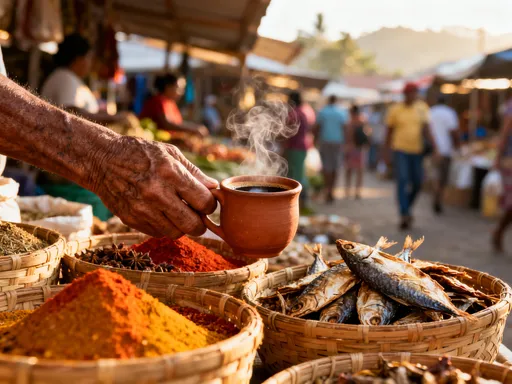
The true soul of Baucau beats strongest in its markets. At dawn, long before the sun climbs high, farmers from surrounding villages begin arriving with baskets heaped with fresh produce — bright red tomatoes, knobby sweet potatoes, bundles of fragrant lemongrass, and spiky dragon fruit. Fishermen unload crates of silvery mackerel and reef fish caught just hours earlier. The air fills with the smoky aroma of grilled corn and cassava, while vendors call out prices in Tetum and Portuguese, the country’s two official languages.
This is not a performance for tourists. These markets are essential gathering places where families shop, neighbors exchange news, and elders haggle with good humor. Woven palm baskets, known locally as *tais*, are used to carry everything from rice to coconuts. Brightly colored fabrics hang overhead, providing shade as the morning warms. Children dart between stalls, clutching sticky pieces of palm sugar wrapped in banana leaves.
What stands out is the absence of plastic packaging. Food is sold loose, weighed on analog scales, and wrapped in banana leaves or reused paper. This low-waste system reflects both necessity and sustainability — a practice born of limited resources but now recognized as environmentally sound. Every item has a story: the yams grown on terraced hillsides, the chili peppers dried in the sun, the free-range chickens brought in from backyard coops.
For travelers, these markets offer an unfiltered window into Timorese life. They are places of exchange not just of goods, but of trust, tradition, and daily survival. To wander through them is to witness the resilience of a people who have rebuilt their lives after decades of struggle, anchoring themselves in the land and its bounty.
Coffee from the Highlands: A Rich Brew with a Story
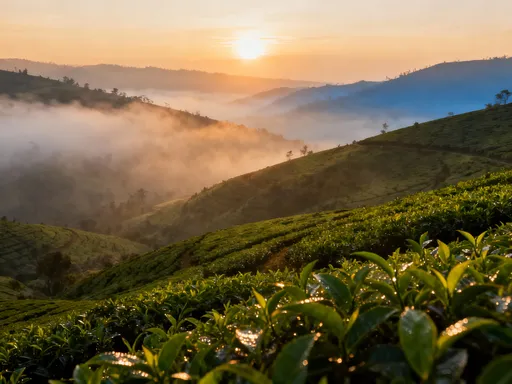
One of Baucau’s most celebrated treasures is its coffee, grown in the fertile highlands that surround the town. Arabica beans flourish at elevations between 1,000 and 1,800 meters, where cool temperatures and rich volcanic soil create ideal growing conditions. The coffee here is largely cultivated by smallholder farmers, many of whom manage plots of less than two hectares. These families rely on traditional, organic methods — no synthetic fertilizers, no chemical pesticides — tending their plants by hand and harvesting only the ripest red cherries.
The result is a coffee with a distinctive character: smooth and medium-bodied, with notes of toasted almond, dark chocolate, and a subtle floral finish. Locals typically prepare it slowly, boiling ground beans in water and straining the brew through a cloth — a method that extracts deep flavor without bitterness. It is often served black, sometimes sweetened with a spoon of homemade palm sugar, and enjoyed during early morning conversations or after meals as a digestive.
Coffee has long been part of East Timor’s agricultural identity, dating back to Portuguese colonial times. However, it was only after independence in 2002 that farmers began to regain control over production and marketing. Today, cooperatives in the Baucau region work to improve quality, secure fair prices, and access international markets. Organizations such as the East Timor Coffee Cooperative Federation support training in sustainable farming and post-harvest processing, helping farmers meet global standards.
Visitors can tour family-run farms in villages like Soibada and Laclubar, where they may witness the entire process — from hand-picking cherries to drying beans on raised wooden beds under the sun. Some households even roast small batches over open fires, filling the air with a warm, nutty fragrance. Purchasing coffee directly from these producers not only ensures freshness but also contributes directly to rural livelihoods.
Coconut Everything: From Oil to Sweets
In Baucau, the coconut palm is more than a tropical icon — it is a lifeline. Known locally as the “tree of life,” every part of the plant is used, but it is the fruit that fuels a quiet industry of artisanal food production. Women in rural households transform coconuts into a range of products, from creamy milk and oil to sweet delicacies and natural soaps. These items are sold in local markets or traded among neighbors, forming an essential part of the informal economy.
The process begins with freshly harvested coconuts, cracked open with a machete and drained of their water. The white flesh is grated by hand and then pressed to extract rich, ivory-colored oil. This cold-pressed method preserves nutrients and aroma, resulting in a product prized for both cooking and skincare. Unlike mass-produced oils, which may be refined or deodorized, Baucau’s coconut oil retains a delicate coconut scent and is often used in traditional remedies for dry skin and hair.
Another prized product is *tuba*, a natural palm sugar made by boiling down the sap of coconut flower buds. Harvesters climb tall trees early in the morning to collect the sweet liquid, which is then simmered for hours until it thickens into a dark, caramel-like syrup. When cooled, it hardens into blocks that can be grated or dissolved in drinks. *Tuba* is used to sweeten coffee, flavor rice cakes, and make traditional desserts such as *biscoito di kokonat*, a dense coconut cookie baked in wood-fired ovens.
These small-scale operations are typically family-run, with skills passed from mother to daughter. The work is labor-intensive, but the rewards are tangible — a source of income, a way to preserve cultural knowledge, and a means of maintaining self-sufficiency. For travelers, sampling these products offers a taste of genuine craftsmanship, far removed from industrialized food systems.
Sea to Table: Baucau’s Coastal Flavors
Just a short walk from the town center, the coastline reveals another pillar of Baucau’s food culture: the sea. Fishermen launch narrow wooden boats each morning, returning with nets full of snapper, tuna, and barracuda. For coastal communities, fishing is not just an occupation — it is a way of life, governed by tides, seasons, and ancestral knowledge of marine currents.
One of the most distinctive coastal specialties is sun-dried fish, a preservation method perfected over generations. After being cleaned and salted, fish are laid out on bamboo racks or concrete platforms, left to cure under the intense tropical sun for one to three days. The result is a concentrated, savory product with a chewy texture, used to flavor soups, stews, and rice dishes. Despite modern refrigeration, many families still prefer this method for its depth of flavor and long shelf life.
On the roadside near the beach, simple grills serve *ikan bakar* — fish marinated in lime juice, garlic, and chili, then grilled over coconut husks. The smoky, tangy aroma draws both locals and visitors. It is typically served with boiled cassava or sweet potato and a side of *sambal*, a fiery paste made from fresh chilies, shallots, and vinegar. Meals are eaten with the hands, seated on low wooden benches or plastic chairs under thatched awnings.
This style of cooking emphasizes freshness and simplicity. There are no elaborate sauces or imported ingredients — just the natural taste of the sea enhanced by bold, local seasonings. For travelers, sharing a meal at one of these seaside stalls is a direct connection to the rhythms of coastal life, where food is prepared with care and shared with generosity.
Hidden Food Experiences: Connecting with Local Producers
Beyond the markets and restaurants, some of the most meaningful food experiences in Baucau happen behind the scenes — in home kitchens, on small farms, and in village workshops. Increasingly, local families are opening their doors to visitors through community-based tourism initiatives, offering opportunities to participate in food preparation, farming, and traditional cooking methods.
One such experience involves joining women in the fields to harvest taro, a starchy root vegetable that forms the base of many Timorese dishes. After pulling the plants from the soil, visitors help peel and boil the corms, which are then mashed and mixed with coconut milk to make *papa*, a porridge-like staple. The process is accompanied by stories, songs, and laughter — a reminder that food is not just nourishment, but also celebration and connection.
Another unique encounter is learning to make *maheu*, a fermented corn drink with a slightly tangy taste and creamy texture. Ground corn is mixed with water, left to ferment for several days, then boiled and sweetened. It is often served cold and is particularly refreshing in the heat. While similar drinks exist across parts of Africa and Southeast Asia, the Timorese version reflects local adaptations and preferences.
These interactions go beyond culinary education. They foster mutual respect and understanding, allowing travelers to see the effort behind every meal and the pride locals take in their traditions. Importantly, when conducted ethically and with consent, such experiences provide supplemental income to families in rural areas, helping to sustain both livelihoods and cultural heritage.
How to Taste Baucau Like a Local: Practical Tips for Travelers
For those planning to explore Baucau’s food scene, a few practical tips can enhance both safety and authenticity. First, visit the markets in the morning, when produce is freshest and vendors are most active. Bring small denominations of U.S. dollars — the official currency — and be prepared to bargain politely, especially for non-food items.
When trying street food, look for stalls with high turnover, as this indicates freshness and reduces the risk of spoilage. Observe whether food is cooked to order and served hot. Stick to bottled or boiled water, and avoid ice unless it comes from a trusted source. Many locals drink herbal teas made from lemongrass or ginger, which are both soothing and safe.
Photography should always be approached with sensitivity. While the markets are visually rich, it is important to ask permission before taking photos of people, especially vendors and children. A smile and a simple “Pode fotografia?” (Can I take a photo?) in Tetum or Portuguese goes a long way in building rapport.
To support local producers, consider purchasing packaged goods such as vacuum-sealed coffee, blocks of palm sugar, or bottles of coconut oil — all of which are easy to transport and make meaningful souvenirs. Avoid buying mass-produced imitations sold in tourist shops. Instead, seek out cooperatives or community-run stalls that reinvest profits into their communities.
The best time to visit is during the dry season, from May to November, when roads are passable and harvests are abundant. September and October are particularly good months, as coffee is being processed and coconuts are in peak season. Travelers who time their visit with local festivals, such as Independence Day celebrations in May, may also witness traditional dances, communal feasts, and special dishes prepared only on such occasions.
Conclusion: Why Baucau’s Flavors Stay With You
Baucau does not dazzle with grand monuments or luxury resorts. Its magic lies in the quiet moments — the first sip of coffee brewed over a wood fire, the crunch of sun-dried fish paired with hot rice, the warmth of a smile from a vendor offering a sample of homemade coconut candy. These are the experiences that linger long after the journey ends.
More than just sustenance, food in Baucau is memory. It carries the imprint of history, the strength of resilience, and the generosity of a people who have much to share despite having little. Each dish reflects a deep relationship with the land and sea, shaped by generations of adaptation and care.
For travelers, engaging with this food culture is one of the most respectful and rewarding ways to experience East Timor. It invites a slower, more mindful form of tourism — one that values connection over convenience, authenticity over spectacle. By choosing to eat locally, to listen to stories, and to support small producers, visitors become part of a larger effort to preserve culinary heritage in a rapidly changing world.
Baucau reminds us that the simplest flavors can hold the deepest meaning. In a time when global food systems often feel disconnected and impersonal, this quiet town offers a powerful alternative: food as identity, as community, as home. To taste Baucau is not just to eat — it is to remember what it means to be nourished in body and spirit.