Taste of the Alps: How Interlaken’s Food Tells a Mountain Story
Nestled between emerald lakes and snow-dusted peaks, Interlaken isn’t just a feast for the eyes—it’s a gateway to Swiss culture through flavor. I never expected that a simple meal could reveal so much about alpine life. From creamy fondue to flaky tarts, every bite carries tradition, seasonality, and local pride. This is more than dining; it’s storytelling on a plate. In a place where nature shapes daily rhythms, food becomes a quiet testament to resilience, community, and craftsmanship. Here, meals are not rushed but honored, ingredients cherished not for novelty but for their roots in the land and generations of care.
Arrival in Interlaken: First Impressions of a Mountain Town
As the train winds through the Bernese Oberland, the first glimpse of Interlaken unfolds like a postcard brought to life. Nestled between Lake Thun and Lake Brienz, the town pulses with a gentle energy—calm yet alive with the footsteps of travelers, the chime of bicycle bells, and the distant echo of cowbells from the surrounding pastures. The air is crisp, carrying a clean scent of pine and water, mingling with the occasional whiff of freshly baked bread drifting from corner bakeries. Chalets with flower-box windows line cobbled streets, their wooden eaves carved with care, standing as quiet monuments to centuries of alpine living.
Interlaken’s charm lies not only in its scenery but in its atmosphere—a harmonious blend of German-speaking Swiss precision and an open, welcoming spirit toward visitors. Though tourism plays a vital role in the local economy, the town has not sacrificed authenticity for convenience. Locals greet passersby with a nod or a soft 'Grüezi,' and shopkeepers take time to explain the origin of their goods. This sense of rootedness is mirrored in the food culture, where meals are not an afterthought but a centerpiece of daily life. Breakfast is a deliberate affair, often featuring thick yogurt from nearby dairies, homemade muesli, and warm bread still crisp from the oven.
Even in the busiest season, the rhythm of life here remains grounded. The mountains demand respect, and the people respond with care—whether in how they build their homes, manage their farms, or prepare their meals. Dining in Interlaken is not about spectacle but sincerity. A simple plate of cheese and charcuterie, served with a glass of local cider, speaks volumes about the values of the region: patience, quality, and connection to the land. For the traveler, this is an invitation—not just to see the Alps, but to taste them, one mindful bite at a time.
The Heart of Swiss Cuisine: Understanding Alpine Food Culture
To understand the food of Interlaken, one must first understand the landscape that shapes it. The Swiss Alps are not merely scenic; they are a force that dictates how people live, work, and eat. Winters are long and severe, with snow isolating villages for months. In such conditions, food preservation and resourcefulness are not culinary preferences—they are survival strategies. This reality gave rise to a cuisine built on simplicity, nutrition, and longevity. Dishes are hearty by necessity, designed to sustain energy through cold days of labor in barns or on narrow mountain paths.
At the core of alpine cooking is the principle of using what is available, minimizing waste, and honoring seasonal cycles. Dairy farming has long been the backbone of the region’s agriculture, with cows grazing on high-altitude meadows during summer and returning to valley barns in winter. This seasonal rhythm directly influences the flavor and quality of milk, which in turn shapes the character of cheeses like Emmental and Gruyère—two pillars of Swiss gastronomy. Similarly, meats are often cured or smoked to last through the winter, while root vegetables and grains are stored in cellars for months.
Modern restaurants in Interlaken uphold these traditions not as relics but as living practices. Menus frequently highlight seasonal ingredients—morel mushrooms in spring, fresh trout from alpine streams in summer, game meats in autumn. Even in tourist-facing establishments, there is a commitment to authenticity. A stew served in a mountain hut today might follow a recipe unchanged for generations, simmered slowly over a wood-fired stove. This continuity is not performative; it reflects a deep cultural respect for the past and an understanding that good food begins long before it reaches the plate.
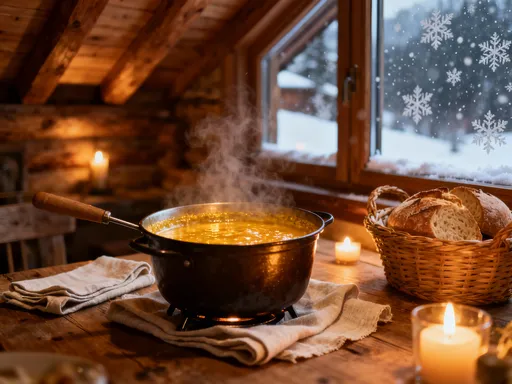
The alpine food culture also emphasizes communal eating. Meals are often shared from a central dish, reinforcing bonds between family and neighbors. Whether it’s a pot of fondue bubbling at the center of a wooden table or a platter of rösti passed around among friends, the act of eating together is as important as the food itself. In this way, cuisine becomes a social ritual—one that fosters warmth in both body and spirit, especially during the long, dark months of winter.
Cheese Beyond Fondue: Exploring Local Dairy Traditions
Switzerland’s reputation for exceptional cheese is well-earned, and nowhere is this more evident than in the valleys surrounding Interlaken. The lush pastures of the Bernese Oberland provide ideal grazing conditions, with cows feeding on a diverse mix of alpine herbs, clover, and wildflowers. This rich diet imparts a distinctive flavor to the milk—fragrant, slightly sweet, and deeply complex—laying the foundation for some of the world’s most celebrated cheeses. Emmental, with its iconic holes and nutty aroma, and Gruyère, known for its creamy texture and savory depth, are both produced in nearby dairies using time-honored methods.
A visit to a small-scale dairy cooperative offers a firsthand look at the artistry behind these cheeses. Early in the morning, farmers deliver fresh milk from their herds, each can marked with the name of the farm. The milk is tested for quality, then gently warmed in large copper vats. Natural rennet is added to encourage curdling, and the curds are carefully cut, stirred, and heated to separate them from the whey. The process is precise, requiring years of experience to judge the right temperature, timing, and texture.
Once formed, the cheese wheels are pressed into molds and left to brine for several days before being moved to aging cellars. Here, they rest on wooden shelves for weeks or even months, regularly turned and brushed with a saline solution to encourage the development of a natural rind. In some cellars, the air is alive with the scent of aging cheese and the faint hum of beneficial bacteria at work. The cheesemakers, often third- or fourth-generation artisans, speak of their craft with quiet pride, emphasizing the connection between the land, the animals, and the final product.
These cheeses are not reserved only for special occasions. In everyday life, they appear in school lunches, market stalls, and family meals. Berner Alpkäse, a seasonal mountain cheese made only during summer months when cows are on high pastures, is particularly prized for its intense flavor. It is often served with dark rye bread and a spoonful of honey, a combination that balances salt and sweetness in perfect harmony. For visitors, tasting these cheeses is not just a culinary experience—it is a direct encounter with the alpine ecosystem and the generations of care that sustain it.
A Table with a View: Dining Experiences That Elevate Flavor
One of the most unforgettable aspects of eating in Interlaken is the setting. Meals here are not confined to restaurants but often take place in alpine huts perched on mountain slopes, accessible only by foot, cable car, or cogwheel train. These remote dining spots offer more than food—they provide a complete sensory immersion. The journey itself becomes part of the experience, whether it’s a scenic ride up to Mürren or a hike through wildflower-strewn meadows to a family-run hut near Lauterbrunnen.
At one such chalet, nestled at 1,600 meters above sea level, a lunch of homemade rösti becomes a celebration of alpine simplicity. The dish arrives hot from the iron skillet, its golden crust crackling slightly under the fork. Grated potatoes are pan-fried slowly with butter and onions, then topped with a poached egg and a generous portion of locally smoked ham. Served beside it is a small bowl of apple sauce, its tartness cutting through the richness of the meal. The dining room is modest—wooden tables, checkered curtains, a cast-iron stove glowing in the corner—but the view through the window is extraordinary: endless peaks dusted with snow, grazing cows with brass bells swaying at their necks, and a sky so clear it feels within reach.
The connection between food and environment is palpable. The ingredients are sourced from nearby farms or prepared on-site; the water comes from a mountain spring. Even the salt may be Alpine rock salt, mined deep within the region. There is no menu printed on glossy paper—instead, the host recites the day’s offerings with a warm smile. This intimacy transforms the meal into something personal, a gesture of hospitality rather than a commercial transaction.
Other memorable dining moments include a late-afternoon fondue at a sunlit terrace overlooking Lake Thun, where the cheese is blended with white wine and a hint of kirsch, and the bread is torn by hand rather than cut. Or a quiet dinner in a village inn, where the chef serves a traditional Älplermagronen—pasta, potatoes, onions, and cream layered with melted cheese and finished with crispy fried onions. Each bite is comforting, rich, and deeply satisfying, especially after a day of hiking. These meals are not just nourishment; they are moments of pause, reflection, and gratitude for the beauty of the alpine world.
Markets and Bakeries: Where Locals Find Their Daily Bread
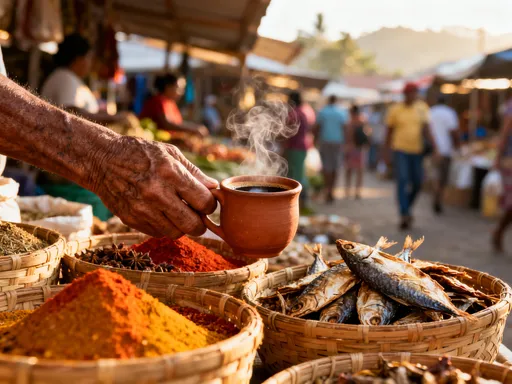
For a true sense of daily life in Interlaken, one need only visit the weekly farmers’ market held in the town’s central square. Every Thursday morning, the space comes alive with stalls offering fresh produce, handmade cheeses, cured meats, and seasonal specialties. Farmers from surrounding villages arrive before dawn, setting up wooden crates filled with ruby-red radishes, bundles of fragrant herbs, and baskets of just-picked strawberries. The air hums with quiet conversation, the clink of jars, and the occasional bark of a dog tied to a market cart.
Local pride is evident in the quality and presentation of goods. A vendor from the Hasli Valley proudly displays rounds of hard mountain cheese, each labeled with the name of the alp where it was made. Another offers jars of wildflower honey collected from hives high in the valleys, its golden hue catching the morning light. Nearby, a baker arranges loaves of Zopf—a braided Sunday bread enriched with milk, butter, and eggs—its surface glazed to a golden sheen. The scent is irresistible, warm and yeasty, drawing passersby like a magnet.
Beyond the market, Interlaken’s family-run bakeries offer a daily ritual cherished by residents. Early each morning, locals stop by for a fresh roll, a slice of quark tart, or a buttery croissant. These bakeries are not franchises but multigenerational businesses, where recipes are guarded like family heirlooms. One such bakery, tucked down a quiet side street, is known for its apricot-filled tarts, made with fruit sourced from orchards along Lake Brienz. The crust is flaky, the filling slightly tart, and the experience of eating it with a cup of coffee at a sidewalk table is pure alpine simplicity.
These everyday food rituals reveal the heart of Swiss culture: consistency, quality, and quiet enjoyment. There is no rush, no need to document the moment for social media—just the pleasure of a well-made pastry, shared with a neighbor or savored in solitude. For visitors, participating in this rhythm—buying bread at the market, ordering coffee at a local café—offers a deeper connection to the town than any guided tour could provide. It is in these small, unremarkable moments that the true flavor of Interlaken is found.
Cooking with the Swiss: A Hands-On Cultural Exchange
One of the most enriching ways to experience Interlaken’s food culture is through a cooking class hosted by a local resident. These intimate gatherings take place in home kitchens, where families open their doors to travelers seeking more than just a meal. I joined one such class in a cozy house on the outskirts of town, where a grandmother named Elisabeth taught a small group how to prepare Älplermagronen and Linzertorte—two dishes that represent the soul of Swiss home cooking.
Älplermagronen, often called “ Alpine macaroni,” began as a shepherd’s meal—simple, filling, and made with ingredients that could be stored at high altitudes. Elisabeth explained each step with care: boiling the pasta and potatoes together, caramelizing onions in butter, and layering everything with thick cream and melted cheese. As we stirred the pot, she shared stories of her childhood summers in the mountains, when her family would migrate with the cows to alpine pastures. The dish, she said, was a celebration of return—a warm welcome after months apart.
The second part of the class focused on Linzertorte, one of the oldest known cake recipes in Europe. Elisabeth rolled out the nut-based dough with practiced hands, then arranged a lattice of strips over a filling of red currant jam. She emphasized the importance of using local butter and fresh eggs, ingredients that make a noticeable difference in texture and flavor. As the cake baked, filling the kitchen with a warm, nutty aroma, we sat at the table drinking tea and exchanging stories. It was not just a lesson in cooking but in connection—how food carries memory, how recipes bind families, and how sharing a meal can bridge cultures.
At the end, we sat down to eat what we had prepared, savoring each bite with a sense of accomplishment and gratitude. Elisabeth smiled as she watched us, saying simply, “When you cook with your hands, you remember with your heart.” This sentiment captures the essence of alpine food culture: it is not about perfection, but presence. In a world that often values speed and novelty, these moments of slow, deliberate creation offer a quiet rebellion—a reminder that the most meaningful experiences are often the simplest.
From Plate to Memory: Why Food Makes the Journey Meaningful
As the journey through Interlaken comes to a close, it is not the postcard views or the adrenaline-filled adventures that linger most vividly, but the meals shared in quiet moments. The warmth of a cheese-filled tart on a chilly morning. The laughter around a fondue pot as friends dip bread with long forks. The quiet satisfaction of a market-fresh salad eaten on a bench overlooking the water. These experiences, rooted in flavor and connection, become the true souvenirs of travel.
Food, in this alpine setting, is more than sustenance—it is a language. It speaks of resilience, of harmony with nature, of generations passing down wisdom through recipes written not on paper but in memory. To eat like a local is to step into that story, to honor the rhythms of the land and the people who tend it. It invites travelers to slow down, to savor, to listen. In doing so, tourism transforms from observation into participation, from sightseeing into understanding.
Interlaken’s cuisine does not shout for attention. It does not rely on spectacle or fusion for appeal. Instead, it offers something rarer in today’s fast-paced world: authenticity. A meal here is an act of preservation, a quiet assertion that some things—like good butter, fresh milk, and time spent together—are worth protecting.
For the 30- to 55-year-old traveler, often balancing family, work, and the desire for meaningful escape, Interlaken’s food culture offers a gentle reminder: that joy can be found in simplicity, that connection grows from shared meals, and that the best journeys nourish not just the body but the soul. So let the mountains inspire your path, but let the flavors guide your heart. Because in the end, it is not just what you see that stays with you—it is what you taste, remember, and carry home within you.